Categories
Medreads

Stomach Cancer

Stomach Cancer

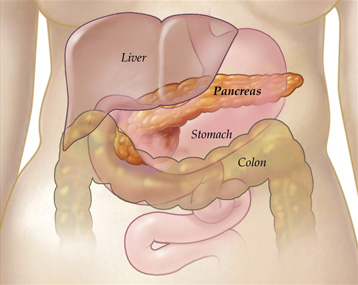
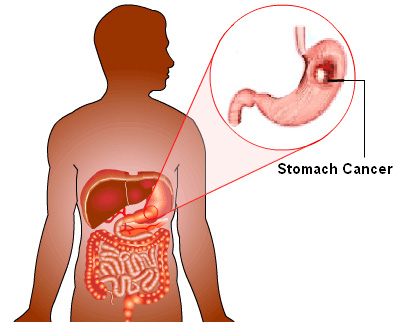
Stomach cancer usually begins in cells in the inner layer of the stomach. Over time, the cancer may invade more deeply into the stomach wall. A stomach tumor can grow through the stomach’s outer layer into nearby organs, such as the liver, pancreas, esophagus, or intestine. Stomach cancer cells can spread by breaking away from the original tumor. They enter blood vessels or lymph vessels, which branch into all the tissues of the body. The cancer cells may be found in lymph nodes near the stomach. The cancer cells may attach to other tissues and grow to form new tumors that may damage those tissues. The spread of cancer is called metastasi.

When you’re told that you have stomach cancer, it’s natural to wonder what may have caused the disease. But no one knows the exact causes of stomach cancer. Doctors seldom know why one person develops stomach cancer and another doesn’t. Doctors do know that people with certain risk factors are more likely than others to develop stomach cancer. A risk factor is something that may increase the chance of getting a disease.

Medical Treatment

Studies have found the following risk factors for stomach cancer:

Helicobacter pylori infection: H. pylori is a bacterium that commonly infects the inner lining (the mucosa) of the stomach. Infection with H. pylori can cause stomach inflammation and peptic ulcers. It also increases the risk of stomach cancer, but only a small number of infected people develop stomach cancer.

Long-term inflammation of the stomach:People who have conditions associated with long-term stomach inflammation (such as the blood disease pernicious anemia) are at increased risk of stomach cancer. Also, people who have had part of their stomach removed may have long-term stomach inflammation and increased risk of stomach cancer many years after their surgery.

Smoking:Smokers are more likely than nonsmokers to develop stomach cancer. Heavy smokers are most at risk.

Family history: Close relatives (parents, brothers, sisters, or children) of a person with a history of stomach cancer are somewhat more likely to develop the disease themselves. If many close relatives have a history of stomach cancer, the risk is even greater.

Poor diet, lack of physical activity, or obesity:Studies suggest that people who eat a diet high in foods that are smoked, salted, or pickled have an increased risk for stomach cancer. On the other hand, people who eat a diet high in fresh fruits and vegetables may have a lower risk of this disease. A lack of physical activity may increase the risk of stomach cancer. Also, people who are obese may have an increased risk of cancer developing in the upper part of the stomach. Most people who have known risk factors do not develop stomach cancer. For example, many people have an H. pylori infection but never develop cancer. On the other hand, people who do develop the disease sometimes have no known risk factors.

Categories
Medreads

Breast Cancer

Breast Cancer

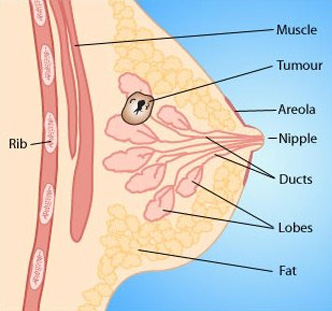
The causes of breast cancer are unknown. But certain things called risk factors can affect a woman’s chances of getting breast cancer. Having risk factors doesn’t necessarily mean you will get breast cancer. Some women get it while others (with the same risk factors) don’t.Even though the exact causes of breast cancer aren’t fully known, it’s likely to be caused by a combination of different risk factors rather than just one.

Age:The risk of breast cancer increases with age. It’s rare in women under 35, and 8 out of 10 breast cancers (80%) occur in women aged 50 or over.

Previous cancer and other breast conditions:Women who’ve had breast cancer or other breast conditions in the past may be at a higher risk of developing breast cancer. This includes women who have previously had: breast cancer, including ductal carcinoma in situ (DCIS) lobular carcinoma in situ (LCIS) an over-production of slightly abnormal cells called atypical ductal hyperplasia radiotherapy to the chest to treat Hodgkin lymphoma at a young age dense breast tissue (when the breast is mostly made up of glandular and connective tissue with very little fatty tissue).

SmHormonal factors:Exposure to the hormones oestrogen and progesterone for long, uninterrupted periods can affect your breast cancer risk. Factors that increase this risk include: taking combined hormone replacement therapy (HRT) containing oestrogen and progesterone over several years (if you’re over 50) not having children or having them later in life not having breastfed or breastfeeding for less than a year starting your periods early (under 12) or having a late menopause (after 50) taking the contraceptive pill (but the risk reduces if you stop taking it).

Lifestyle factors: Close relatives (parents, brothers, sisters, or children) of a person with a history of stomach cancer are somewhat more likely to develop the disease themselves. If many close relatives have a history of stomach cancer, the risk is even greater.

Alcohol: Drinking more than two units of alcohol a day over many years can damage your liver. This increases your breast cancer risk because the liver helps to control oestrogen levels.

Your weight: After the menopause, body fat is the main source of oestrogen. So if you’re overweight, the level of oestrogen in your body may be high, increasing your breast cancer risk.

Smoking:Smoking heavily over many years, especially if you started smoking at a young age, increases your risk.


Categories
Medreads

Neuroendocrine Tumors

Neuroendocrine Tumors

About the endocrine system and endocrine tumors:
The endocrine system consists of cells that make hormones. Hormones are chemical substances that are formed in the body and carried in the bloodstream to have a specific regulatory effect on the activity of other organs or cells in the body. A tumor begins when normal cells begin to change and grow uncontrollably, forming a mass. A tumor can be benign or malignant. A benign tumor is not cancerous and usually can be removed without it causing much harm. A malignant tumor is cancerous and can be harmful if not found early and treated. It can spread to and damage the body’s healthy tissues and organs.
An endocrine tumor is a growth that affects the parts of the body that secrete hormones. Because an endocrine tumor arises from cells that produce hormones, the tumor itself can produce hormones and cause serious illness.
About neuroendocrine tumors:
A neuroendocrine tumor begins in the hormone-producing cells of the body’s neuroendocrine system, which is made up of cells that are a cross between traditional endocrine cells (or hormone-producing cells) and nerve cells. Neuroendocrine cells are found throughout the body in organs, such as the lungs and gastrointestinal tract (such as the stomach and intestines), and perform specific functions, such as regulating the air and blood flow through the lungs and controlling the speed at which food is moved through the gastrointestinal tract.
Categories
Publications

Human papillomavirus infection: Is it associated with epithelial ovarian cancer?

Categories
Publications

Pattern of recurrence after interval cytoreductive surgery and HIPEC following neoadjuvant chemotherapy in primary advanced stage IIIC/IVA epithelial ovarian cancer

Categories
Publications

Distribution of residual disease in the peritoneum following neoadjuvant chemotherapy in advanced epithelial ovarian cancer and its potential therapeutic implications

Categories
Publications

Clinical and Radiologic Predictors of a Pathologic Complete Response to Neoadjuvant Chemotherapy (NACT) in Patients Undergoing Cytoreductive Surgery for Colorectal Peritoneal Metastases: Results of a Prospective Multi-center Study

Categories
Publications

Total Parietal Peritonectomy Can Be Performed with Acceptable Morbidity for Patients with Advanced Ovarian Cancer After Neoadjuvant Chemotherapy: Results From a Prospective Multi-centric Study

Categories
Publications

ASO Author Reflections: Total Parietal Peritonectomy During Interval Cytoreductive Surgery for Advanced Ovarian Cancer—Proof-of-Principle and Analysis of Morbidity

Categories
Publications

Cytoreductive surgery combined with HIPEC can even cure some of the peritoneal malignancies: Dr Sanket Mehta